Teeth Cap Cost in India: Local Price Guide for Una, HP
While the average teeth cap cost in India ranges from ₹2,000 to ₹25,000+ per tooth, you do not need to travel to Punjab or major metros like Chandigarh to get premium care. Right here in District Una, Himachal Pradesh, patients can access the exact same high-quality international dental materials locally at highly competitive regional rates.
This comprehensive 2026 price guide by Dent-O-Care breaks down exactly what influences dental crown pricing, local price lists for the Una region, and how to get the longest life out of your investment.
1. Understanding the Basics: What is a Teeth Cap?
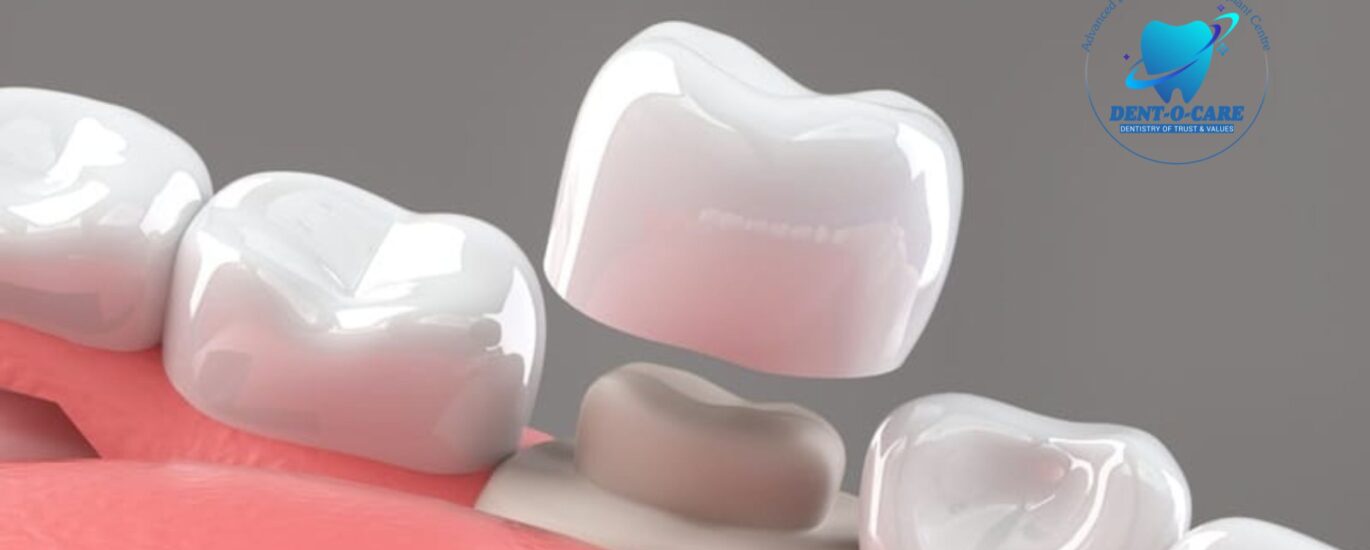
A teeth cap (dental crown) is a custom-made covering that fits over a damaged, decayed or weakened natural tooth (or sometimes an implant) to restore its shape, size, strength and appearance.
Key purposes
- Protect a tooth after a root canal or major restoration.
- Cover a severely decayed, broken, worn-out or misshapen tooth.
- Improve aesthetics – for example discoloured or badly shaped front teeth.
- Anchor a dental bridge or cover an implant (in some cases).
Basic steps in getting a cap
- Consultation and diagnosis: your dentist examines the tooth, takes x-rays/impressions.
- Tooth preparation: the tooth is shaped to make space for the cap.
- Impression / digital scan: to fabricate the custom crown.
- Temporary crown (sometimes) while the permanent one is made.
- Delivery and bonding of the final cap: the dentist fits, adjusts, and permanently cements the crown.
- After-care: maintaining good oral hygiene, avoiding excessive forces/habits, and regular check-ups to ensure longevity.
2. What Influences the Cost of a Teeth Cap?
The cost of a teeth cap can vary greatly depending on several factors, and understanding these can help you make a well-informed decision before beginning treatment.
Material Used for the Crown
One of the primary factors that determine the cost is the material used to make the crown. Each type of crown material—whether metal, porcelain-fused-to-metal (PFM), all-ceramic, or zirconia—comes with its own price range. Metal crowns are typically the most affordable, while zirconia and all-ceramic crowns are considered premium options due to their natural appearance, durability, and advanced manufacturing process. Choosing the right material often depends on your dental needs, aesthetic goals, and budget.
Laboratory and Technology Involved
Another major factor influencing cost is the laboratory and technology involved in creating the crown. Dental clinics that use advanced digital technologies such as CAD/CAM design systems or work with premium dental labs usually charge more. These modern techniques allow for more accurate fittings and longer-lasting crowns, which can justify the higher expense. The level of technology used directly affects both the quality of the final crown and the comfort of the patient during the procedure.
Dentist’s Experience and Reputation
The experience and reputation of the dentist also play a crucial role in determining cost. Dentists who specialize in prosthodontics or have years of experience performing restorative dental work may charge higher fees. However, their expertise often ensures a better-fitting, more natural-looking crown and fewer complications later on. Investing in a skilled dentist can be beneficial in the long run, as it reduces the likelihood of needing adjustments or replacements.
Additional Treatments Required
In some cases, additional dental treatments may be required before placing the crown. If the tooth is severely damaged, has undergone a root canal, or requires a post-and-core build-up, these procedures will add to the overall cost. Likewise, if there is any underlying gum disease that needs treatment first, the final amount may increase. The price you are quoted for a crown might not always include these supporting treatments, so it’s important to ask for a detailed breakdown before starting.
Location and Type of Dental Clinic
The location and setup of the dental clinic can also influence the price of a teeth cap. Clinics that operate in larger metropolitan areas or use high-end materials imported from other countries generally have higher overhead costs, which can affect pricing. On the other hand, smaller clinics or those that use standard materials may offer more economical options. While the difference in location can affect the price, it’s always best to choose a clinic based on quality and hygiene rather than just affordability.
Complexity of the Case
The complexity of the case and the number of appointments required can also affect the final cost. Crowns for front teeth, which require high aesthetic precision and exact shade matching, are usually more expensive than those for back teeth. Similarly, cases that demand multiple fittings, special color customization, or extended appointments tend to cost more due to the time and precision involved in achieving the perfect result.
3. Typical Cost Ranges in India
Here are ball-park figures to give you a sense of what you might expect. Note: these are approximate and vary greatly depending on the factors above. Use them for rough budgeting only.
Material-wise cost ranges
Based on multiple sources:
- Metal crowns (alloy): Starting from around ₹4,000 to ₹10,000 per tooth.
- Porcelain-Fused-to-Metal (PFM): Roughly ₹5,000 to ₹15,000 (and in some cases higher) per crown.
- Full Ceramic / All-Porcelain crowns: Approx ₹8,000 to ₹20,000 or more per tooth.
- Zirconia crowns (premium, metal-free): Often ₹10,000 to ₹25,000 per tooth – and sometimes higher in premium setups.
Why the wide range
Because the quoted ranges depend heavily on:
- The material selected
- Whether any other treatments are required
- The lab/clinic infrastructure
- Whether it’s a front (esthetic) tooth or a back (functional) tooth
- Whether the quote includes all charges or only partial
4. Putting It All Together – Sample Cost Scenarios
To make it more concrete, here are hypothetical scenarios (for illustration only) at Dent-O-Care to help you visualise budgeting.
| Scenario | Tooth Location & Condition | Material Chosen | Estimate Cost* |
|---|---|---|---|
| A | Back molar, after root canal, moderate cost | Metal crown | ₹5,000-₹8,000 |
| B | Side tooth (premolar), good aesthetics required | PFM crown | ₹7,000-₹12,000 |
| C | Front tooth (very visible), high aesthetics, metal-free desired | Full ceramic | ₹10,000-₹18,000 |
| D | Front/back tooth, high demand (premium lab, zirconia CAD/CAM) | Zirconia crown | ₹15,000-₹25,000+ |
Important caveats
- If your tooth also needs a root canal, post & core or gum treatment, this will add to the cost.
- Temporary crowns, impressions/scans, any adjustments/follow-ups might be billed separately or included — check with your dentist.
- Warranty, lab origin, brand of materials, and after‐care services can impact price and value.
5. Why Investing in a Quality Crown Matters
Some might feel tempted to go for the lowest-cost option available. While understandable from a budget viewpoint, remember: a crown is more than just cosmetic — it affects function, long-term health and possibly future costs. Here’s why quality matters.
Key reasons
- Fit & seal: A well-fitted crown reduces risk of decay under it, prevents food traps and gum issues. Poor fit → more problems and perhaps earlier replacement.
- Durability: Better materials and fabrication mean the crown can last many years (10-15 or more). A cheaper option may need replacement earlier, costing more overall.
- Aesthetics: Especially for visible teeth, material choice (e.g., ceramic/zirconia) significantly affects how natural it looks.
- Comfort & function: Proper fit ensures your bite is correct, no interference with chewing, no jaw discomfort.
- Biocompatibility: Some materials (metal alloys) may cause allergies in rare cases or aesthetic issues (metal margins showing). Premium materials reduce such risks.
- Long-term oral health: A crown is often part of a broader solution (e.g., after root canal) to preserve your natural tooth — which is always preferable to extraction and replacement.
Why Choose Dent-O-Care for Your Teeth Cap?
At Dent-O-Care, we pride ourselves on combining high standards of care, transparency, and patient-centred service. Here’s why you might want to consider us:
- We offer consultations where your question of “how much will it cost” is clearly addressed with multiple options.
- We provide material options (basic to premium) so you can pick what suits you—without compromise on safety or hygiene.
- We use trusted dental labs and follow protocols that aim for accurate fit, longevity and good aesthetics.
- We emphasise after-care and maintenance advice to help you get maximum life out of your crown.
- We are transparent with costs and what is included, so you know exactly what you are paying for.
Frequently Asked Questions (FAQs)
Here are some common questions patients bring up when considering a teeth cap.
How long does a crown last?
A well-made crown with good material, proper fit and good oral hygiene can last 10-15 years or more. Some premium crowns may last much longer. On the flip side, poor fit or hygiene can shorten lifespan.
Will Teeth Capping hurt?
The preparation and placement are usually done under local anaesthetic, so you should not feel pain during the procedure. Some sensitivity afterwards is expected but usually mild and temporary,
Can I choose the material?
Yes — your dentist will usually explain material choices and recommend based on tooth location, function, aesthetic demands and budget.
Is insurance likely to cover it?
Dental insurance in India covers fewer procedures than general medical; many times crowns are considered major restorative treatment and may have limited coverage. It’s best to check your policy.
What if the crowned tooth fails?
If the crown fails (chip, poor fit, decay underneath), you may need replacement or retreatment. A well-made crown reduces this risk. When choosing Dent-O-Care, ask about their policy for replacement/failure.
Can I choose a cheaper material and upgrade later?
Technically yes, but bear in mind: replacing a crown costs time, money and may risk further tooth structure. A crown should ideally be a long-term solution rather than a “temporary fix”.
Conclusion: Teeth Cap Cost in India
In conclusion, understanding the various factors that influence the cost of a teeth cap helps you make a more informed and confident decision about your dental treatment. The total expense depends on many elements, including the type of material used, the dentist’s expertise, the level of technology involved, and any additional procedures required before the crown is placed. While it might seem appealing to opt for a lower-cost option, investing in a high-quality dental crown from an experienced professional ensures better durability, comfort, and a natural appearance.
A premium-quality crown, such as zirconia or all-ceramic, may initially cost more, but it often offers greater long-term value by reducing the need for frequent replacements or repairs. Similarly, choosing a dentist with advanced skills and modern equipment can improve both the functionality and aesthetics of your smile. When considering your options, it’s important to think beyond just the price tag—focus on quality, safety, and the overall longevity of your treatment.
Ultimately, a well-made teeth cap not only restores your damaged tooth but also boosts your confidence and oral health for years to come. Taking the time to research, consult your dentist, and choose the right material and professional care can ensure your investment delivers lasting comfort, durability, and a beautiful smile that enhances your everyday life.