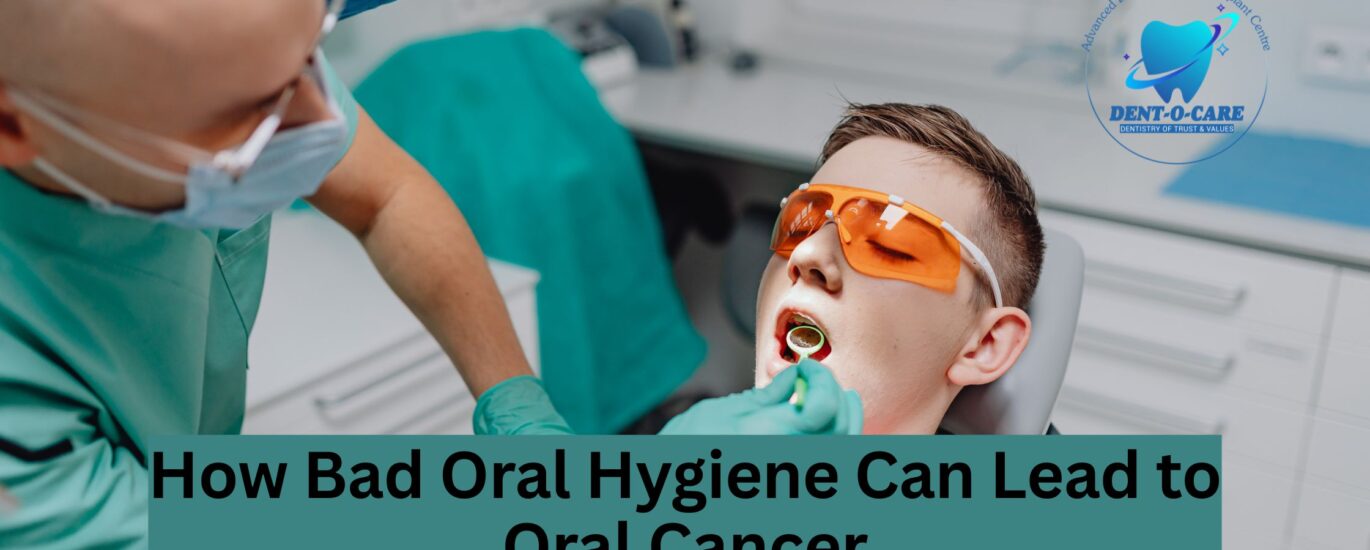
Maintaining good oral hygiene is not just about having fresh breath or a bright smile. It plays a much bigger role in protecting your overall health, including reducing the risk of serious diseases like oral cancer. Oral cancer is a life-threatening condition that affects the mouth, tongue, lips, and throat. While the most well-known causes include tobacco and alcohol use, poor oral hygiene is increasingly being recognized as a major contributing factor.
In this in-depth blog by Dent-O-Care, we will explain how poor oral hygiene encourages the growth of harmful bacteria, triggers chronic infections, weakens immunity inside the mouth, and ultimately increases the risk of developing oral cancer. If you want a complete, human-friendly, easy-to-understand, and medically accurate guide, you’re in the right place.
Understanding Oral Cancer
Oral cancer refers to the abnormal and uncontrolled growth of cells inside the mouth. It may start in various regions, such as:
- Tongue
- Gums
- Lips
- Cheeks
- Roof of the mouth (palate)
- Floor of the mouth
- Throat (oropharynx)
According to global cancer reports, thousands of new oral cancer cases are diagnosed every year, and unfortunately, many people learn about the disease only in its advanced stages. Early detection is crucial because oral cancer spreads rapidly, and its treatment becomes more complicated as the disease progresses.
The Connection Between Oral Hygiene and Oral Health
Good oral hygiene includes regular brushing, flossing, cleaning the tongue, and visiting the dentist for professional check-ups. When people ignore these habits, harmful bacteria multiply inside the mouth and form dental plaque—a soft, sticky film that collects on the teeth and gums.
If the plaque is not removed, it hardens into tartar and leads to:
- Gum disease
- Tooth decay
- Bad breath
- Oral infections
- Chronic inflammation
These conditions create an unhealthy oral environment where abnormal cell changes can occur, raising the risk of oral cancer.
How Poor Oral Hygiene Increases the Risk of Oral Cancer
Chronic Inflammation in the Mouth
One of the biggest reasons poor oral hygiene leads to oral cancer is ongoing inflammation. Gum disease (gingivitis and periodontitis) causes the gums to become swollen, red, and infected. Chronic inflammation triggers continuous tissue damage and repair. Over time, this constant cycle increases the risk of genetic mutations in the cells, which can develop into cancer.
Simply put:
Inflammation → Cell damage → DNA changes → Oral cancer risk increases
Growth of Harmful Bacteria
A neglected mouth becomes a perfect breeding ground for harmful bacteria. Some of these bacteria release toxins that damage the protective lining of the mouth. When this lining becomes weak, cancer-causing changes become more likely.
Research shows that certain harmful bacteria found in people with gum disease are also present in oral cancer tumors, proving the strong link.
Poor Immunity Inside the Mouth
When oral hygiene is consistently poor, the body’s immune system becomes overwhelmed. Bacterial infections weaken the immune response locally inside the mouth. Weak immunity means the body struggles to destroy abnormal cells before they turn into cancer.
Oral Wounds and Irritations
Plaque buildup and tartar lead to gum bleeding, ulcers, and persistent mouth sores. An unhealthy mouth takes longer to heal. These chronic, non-healing sores may eventually turn into precancerous lesions.
Increased Risk of HPV Infection
Human Papillomavirus (HPV), particularly HPV-16, is a major cause of oral and throat cancer. People with poor oral hygiene have a higher chance of developing oral HPV infections. This virus can trigger uncontrolled cell growth, leading to cancer.
Combined Effect with Tobacco and Alcohol
Poor oral hygiene alone is risky, but when combined with habits like smoking, chewing tobacco, or heavy drinking, the chances of developing oral cancer multiply significantly.
A dirty mouth allows toxic chemicals from tobacco and alcohol to penetrate deeper into the tissues. This creates a dangerous environment where cancer cells can easily develop and spread.
Signs and Symptoms of Oral Cancer You Should Never Ignore
Early-stage oral cancer often does not cause pain, which is why many people overlook the symptoms. Recognizing early signs can save your life.
Watch out for:
- Persistent mouth sores or ulcers
- Red or white patches inside the mouth
- Difficulty chewing or swallowing
- A lump or thickening in the cheek
- Numbness of the tongue or lips
- Chronic bad breath
- Loose teeth without clear cause
- Unexplained weight loss
- A change in voice or persistent sore throat
If you notice any of these symptoms lasting more than two weeks, consult a dental or medical professional immediately.
How Poor Oral Hygiene Affects Other Risk Factors
Smoking and Poor Hygiene—A Deadly Combination
Smoking already exposes the mouth to dangerous carcinogens. When oral hygiene is poor, the tissues become inflamed and weakened, making them more vulnerable to these toxins.
Alcohol and Poor Oral Hygiene
Alcohol dries the tissues inside the mouth and reduces saliva, the natural cleanser. Without proper brushing or flossing, plaque builds quickly, increasing cancer risk.
Betel Nut and Tobacco Chewing
Bad oral hygiene enhances the damaging effect of the chemicals found in gutka, paan, supari, and tobacco chews.
Why Good Oral Hygiene Protects You from Oral Cancer
Maintaining a clean mouth reduces harmful bacteria, improves immunity, and keeps the tissues strong and healthy. Here’s how good oral hygiene acts as protection:
- Removes plaque and prevents gum disease
- Reduces inflammation
- Helps detect early symptoms
- Maintains saliva levels
- Encourages faster healing of wounds
- Keeps the mouth’s protective lining strong
Brushing, flossing, and professional dental cleaning may seem simple, but they play a powerful role in reducing cancer risk.
Essential Oral Hygiene Practices to Lower Cancer Risk
Brush Twice Daily
Use a soft-bristled brush and fluoride toothpaste. Brush for at least two minutes.
Clean the Tongue
The tongue collects millions of bacteria. Cleaning it daily reduces bad breath and infection risk.
Floss Every Day
Flossing removes plaque and food particles stuck between teeth—areas your toothbrush cannot reach.
Use an Antibacterial Mouthwash
A good mouthwash kills harmful bacteria and reduces inflammation.
Visit Your Dentist Every 6 Months
Professional check-ups help detect early signs of oral cancer, gum disease, and other problems.
Maintain a Healthy Diet
Eating fresh fruits and vegetables provides essential vitamins and antioxidants that protect against cancer.
Quit Tobacco and Limit Alcohol
These are among the strongest risk factors for oral cancer.
Stay Hydrated
Drink plenty of water to maintain saliva production and keep your mouth clean.
The Role of Regular Dental Check-ups at Dent-O-Care
At Dent-O-Care, we emphasize preventive dental care because early detection can save lives. During routine check-ups, our dental professionals can:
- Identify early signs of gum disease
- Detect precancerous lesions
- Evaluate suspicious mouth sores
- Check for signs of oral HPV
- Assess tooth and gum health
- Provide personalized hygiene guidance
Regular dental visits play a crucial role in protecting you from oral cancer.
Foods That Help Protect Against Oral Cancer
A healthy, balanced diet strengthens your mouth’s natural defenses. Here are foods that reduce cancer risk:
Fruits and Vegetables
- Carrots
- Leafy greens
- Tomatoes
- Berries
Rich in antioxidants and vitamins that protect cell health.
Foods Rich in Vitamin C
- Oranges
- Kiwi
- Lemon
- Strawberries
Helps improve gum health and immunity.
Foods Rich in Vitamin A
- Sweet potatoes
- Spinach
- Eggs
Keeps the mouth’s protective lining strong.
Green Tea
Contains natural antioxidants that help fight cancer-causing free radicals.
Protein Sources
- Eggs
- Chicken
- Fish
- Nuts
Help repair damaged tissues.
How Dent-O-Care Helps You Prevent Oral Cancer
At Dent-O-Care, we are committed to spreading awareness about oral cancer and helping individuals maintain excellent oral hygiene. Our services include:
- Complete dental check-ups
- Oral cancer screening
- Scaling and deep cleaning
- Treatment of gum diseases
- Consultation for tobacco cessation
- Personalized oral hygiene plans
Our expert dental team strongly believes that prevention is always better than cure, especially when it comes to life-threatening diseases like oral cancer.
Conclusion
Poor oral hygiene is more dangerous than most people realize. It not only leads to gum disease, tooth decay, and bad breath but also significantly increases the risk of oral cancer, one of the most serious health conditions. A neglected mouth becomes a gateway for harmful bacteria, chronic inflammation, infections, and weakened immunity—creating the perfect environment for cancer cells to develop.
The good news is that oral cancer is highly preventable with simple daily habits. Brushing twice a day, flossing, cleaning the tongue, maintaining hydration, and visiting the dentist regularly can dramatically reduce your risk.
At Dent-O-Care, our mission is to encourage everyone to take oral hygiene seriously—not just for a beautiful smile but for a healthy and cancer-free future. Small steps today can save your life tomorrow.
If you value your health, start prioritizing your oral hygiene. Your mouth is the entry point to your entire body—keep it clean, strong, and protected.