Oral Care Tips For Smokers And Ex-Smokers
Oral care is important for everyone, but for smokers and ex-smokers, it becomes a matter of urgency. Tobacco exposes the teeth, gums, and oral tissues to harmful chemicals such as nicotine and tar. These substances not only stain the teeth but also weaken the gums, reduce saliva flow, damage soft tissues, and interfere with the body’s natural healing ability. Over the years, smokers may notice persistent bad breath, gum irritation, tooth sensitivity, and slower healing after dental procedures.
Ex-smokers, even after quitting, remain vulnerable because the mouth requires time to recover. The soft tissues and gums may continue to heal for several months, making it necessary to follow a dedicated oral care plan. At Dent-O-Care, we aim to help smokers and ex-smokers rebuild and strengthen their dental health with simple yet powerful practices.
Tip 1: Strengthen Your Daily Oral Hygiene Routine
Why Smokers Need an Enhanced Brushing Routine
A simple brushing routine is not enough for someone exposed to tobacco. The chemicals in smoke leave behind a sticky residue that clings to tooth enamel, making stains darker and harder to remove. Smokers should brush twice a day with an anti-stain toothpaste to break down surface discoloration and prevent plaque accumulation. Whitening toothpaste can help, but it must be mild enough not to harm sensitive gums.
A soft-bristled toothbrush is ideal because the gums of smokers are often inflamed or tender. Brushing gently but thoroughly ensures that the teeth are cleaned without causing irritation or bleeding.
Importance of Using an Alcohol-Free Mouthwash
Nicotine reduces saliva production, which leads to dry mouth—a common condition among smokers. Since saliva protects the mouth by washing away bacteria, dryness creates an ideal environment for infections and bad breath. An alcohol-free mouthwash helps maintain moisture while providing antibacterial benefits. Alcohol-based rinses tend to make dryness worse, so using a gentle, hydrating formula helps keep the mouth comfortable and healthy throughout the day.
Daily Flossing and Tongue Cleaning
Food particles trapped between teeth quickly trigger gum infections in smokers. Flossing once a day removes debris from narrow spaces the toothbrush cannot reach. This prevents swelling, bleeding gums, and bacterial buildup.
Cleaning the tongue is equally important. Smoke residue settles heavily on the tongue, resulting in strong, persistent mouth odor. Cleaning the tongue every morning helps restore freshness and prevents harmful bacteria from spreading inside the mouth.
Tip 2: Stay Hydrated and Maintain a Healing Diet
Why Water Is Essential for Smokers and Ex-Smokers
Water plays a direct role in repairing oral damage. Since smoking leads to dryness, drinking water throughout the day increases saliva flow and helps flush toxins. Hydration also reduces the risk of cavities, freshens breath, and helps food particles move away from the teeth naturally. Smokers and ex-smokers should keep a water bottle with them and sip frequently to maintain moisture inside the mouth.
Healing Foods That Support Gums and Enamel
A healthy diet helps counter the damage caused by smoking. Foods rich in vitamin C, such as oranges, kiwi, and strawberries, strengthen gum tissues and support healing. Calcium-rich foods like milk, yogurt, and paneer contribute to stronger enamel. Crunchy fruits and vegetables such as apples and carrots naturally polish the teeth while stimulating saliva production.
The more nutritious your diet, the better your mouth heals from tobacco exposure. It is also advisable to limit acidic and sugary foods because they weaken the enamel and increase bacterial activity, which is harmful for already sensitive gums.
Tip 3: Quit Smoking and Support the Oral Healing Process
Benefits of Quitting Smoking for Your Mouth
Quitting smoking is the most impactful step toward better oral health. Once you stop smoking, blood circulation in the gums improves, tissues begin healing faster, bad breath decreases, and tooth discoloration stops progressing. The gums regain strength gradually, and the risk of oral cancer drops significantly. Ex-smokers often see a noticeable improvement in their gums and smile within a few months of quitting.
How Ex-Smokers Can Enhance Mouth Recovery
Even after quitting, your mouth needs support to heal properly. Using remineralizing toothpaste helps rebuild enamel and protect weakened teeth from further decay. Vitamin supplements such as vitamin C, vitamin D, and zinc can be taken after consulting a dentist to boost tissue repair and immunity.
Stress plays a major role in smoking habits, so ex-smokers should adopt relaxation practices like yoga, meditation, or light exercise. Reducing stress prevents relapse and maintains the progress you have made in restoring your oral health.
For Current Smokers: Reduce Gradually If You Cannot Quit Immediately
If quitting feels overwhelming, reducing the frequency of smoking still provides noticeable benefits. Fewer cigarettes mean less exposure to chemicals, fewer stains, and improved gum response. While gradual reduction is not a permanent solution, it helps ease the transition to complete cessation and allows the mouth to begin healing.
Tip 4: Visit Your Dentist Regularly for Professional Care
Why Dental Check-Ups Are Important for Smokers
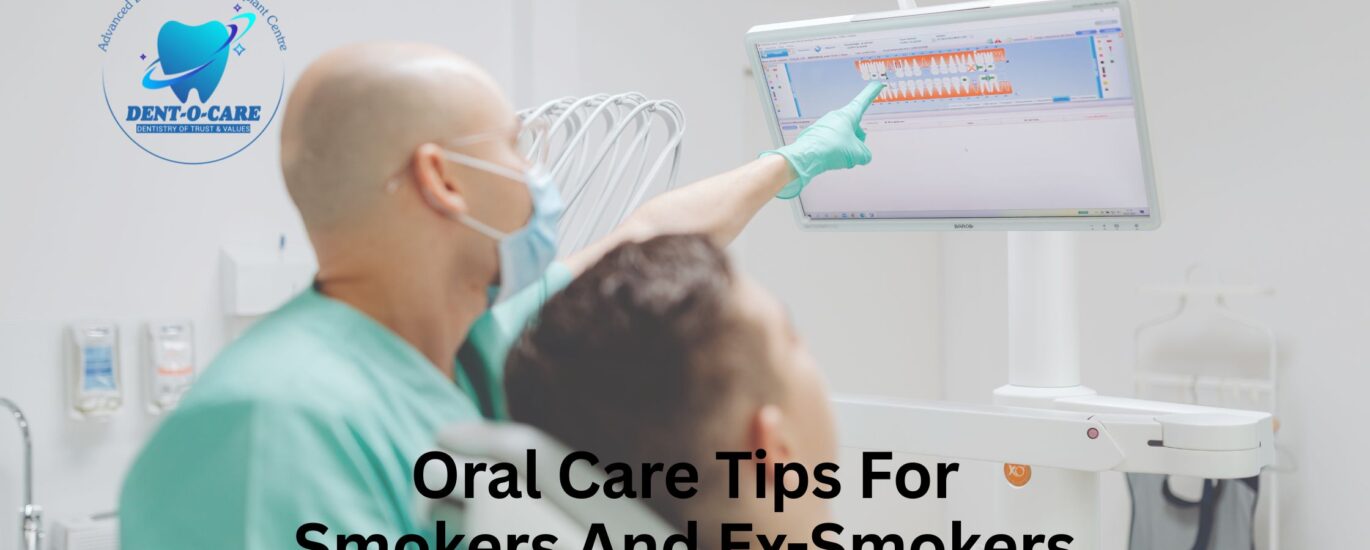
Routine dental check-ups are essential for smokers and ex-smokers because tobacco causes hidden damage that is difficult to detect on your own. Dentists can identify early signs of gum disease, tooth decay, bone loss, and even oral cancer. Regular check-ups allow the dentist to examine areas affected by smoke, detect infections early, and provide timely treatment.
Smokers often develop deep staining that cannot be removed through brushing alone. Professional tools used by dentists effectively break down stubborn tar deposits and clean the enamel safely.
Professional Teeth Cleaning and Whitening Options
A dental cleaning every six months is highly recommended. Scaling helps remove hardened tartar, residue, and deep stains on the teeth, making your smile look healthier and brighter. Polishing smoothens the enamel surface, which improves the overall appearance and reduces bacterial buildup.
If your teeth remain stained even after consistent cleaning, your dentist may recommend safe whitening treatments such as bleaching, laser whitening, or cosmetic solutions like veneers. At Dent-O-Care, we offer personalized consultation to help you choose the safest and most effective whitening option for your specific needs.
Tip 5: Use Targeted Products Designed for Smokers
Special Oral Care Products That Help Smokers
Certain oral care products are designed specifically for smokers to address issues like staining, dryness, and gum sensitivity. Anti-stain toothpaste helps lighten discoloration gradually without damaging the enamel. Fluoride mouthwash strengthens the enamel and protects the teeth against cavities.
Smokers frequently experience dry mouth, so using hydrating mouth sprays or gels can keep the oral tissues moist and comfortable. Sugar-free chewing gum also increases saliva production, which is extremely helpful for maintaining freshness and preventing bacteria from growing.
If smoking has led to tooth sensitivity, using sensitivity toothpaste can provide relief by strengthening the protective layer around the nerves of the teeth.
Avoid Harsh or Abrasive Oral Products
Many smokers try to remove stains by using abrasive toothpaste or aggressive brushing. However, this damages the enamel permanently and makes the teeth more sensitive. Always choose gentle, dentist-recommended products and avoid anything that feels too strong or scratchy. A dentist can guide you on the safest products that match your oral condition.
How Smoking Affects the Mouth: A Deeper Understanding
Impact on Gums and Soft Tissues
Nicotine restricts blood flow to the gums, making them weaker and slower to heal. This poor circulation leads to gum inflammation, recession, and increased risk of infection. Smokers often do not notice gum disease early because nicotine masks symptoms like bleeding, making regular dental visits even more important.
Tooth Discoloration and Enamel Damage
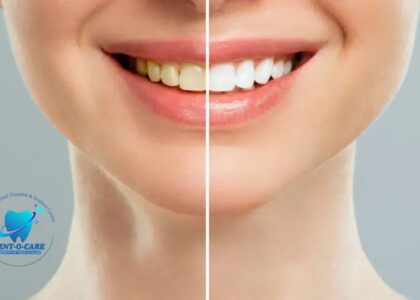
The chemicals in smoke stain the enamel quickly. Long-term smokers develop brown and yellow patches that are difficult to remove. These stains penetrate deep into the enamel, making professional cleaning the only effective solution in many cases.
Persistent Bad Breath and Dry Mouth
Smoking dries out the mouth and alters the natural smell of breath. Since dryness reduces saliva, bacteria multiply faster, creating a strong and persistent odor. Ex-smokers may experience bad breath for several weeks during the recovery phase, but consistent oral hygiene and hydration gradually restore freshness.
Higher Risk of Oral Cancer
Tobacco exposes the mouth to carcinogens that damage cells and tissues. Smokers have a significantly higher risk of developing oral cancer, which makes screenings during dental check-ups extremely important, especially after the age of 30.
Bone Loss and Loose Teeth
Chronic smoking can damage the bone that supports the teeth. Once the bone weakens, the teeth become loose and may eventually fall out. This process can be slowed or prevented by quitting smoking and following a strong oral care plan.
When to Visit Dent-O-Care Immediately
You should seek dental help right away if you notice symptoms such as constant mouth ulcers, continuous gum bleeding, severe sensitivity, lumps in the mouth, white or red patches on the tongue or cheeks, persistent bad breath, or loose teeth. Early treatment prevents major complications and protects your overall health.
Conclusion: Oral Care Tips For Smokers
Smoking causes significant damage to oral health, but the good news is that with the right habits and professional care, smokers and ex-smokers can restore healthier teeth, fresher breath, and stronger gums. By improving your brushing routine, staying hydrated, quitting smoking, visiting your dentist regularly, and using targeted oral care products, you can rebuild your oral health step by step.
At Dent-O-Care, we are committed to supporting your oral care journey with expert guidance and professional treatments. Whether you are still smoking or working hard as an ex-smoker, these five critical oral care tips will help you regain a brighter, healthier, and more confident smile.